
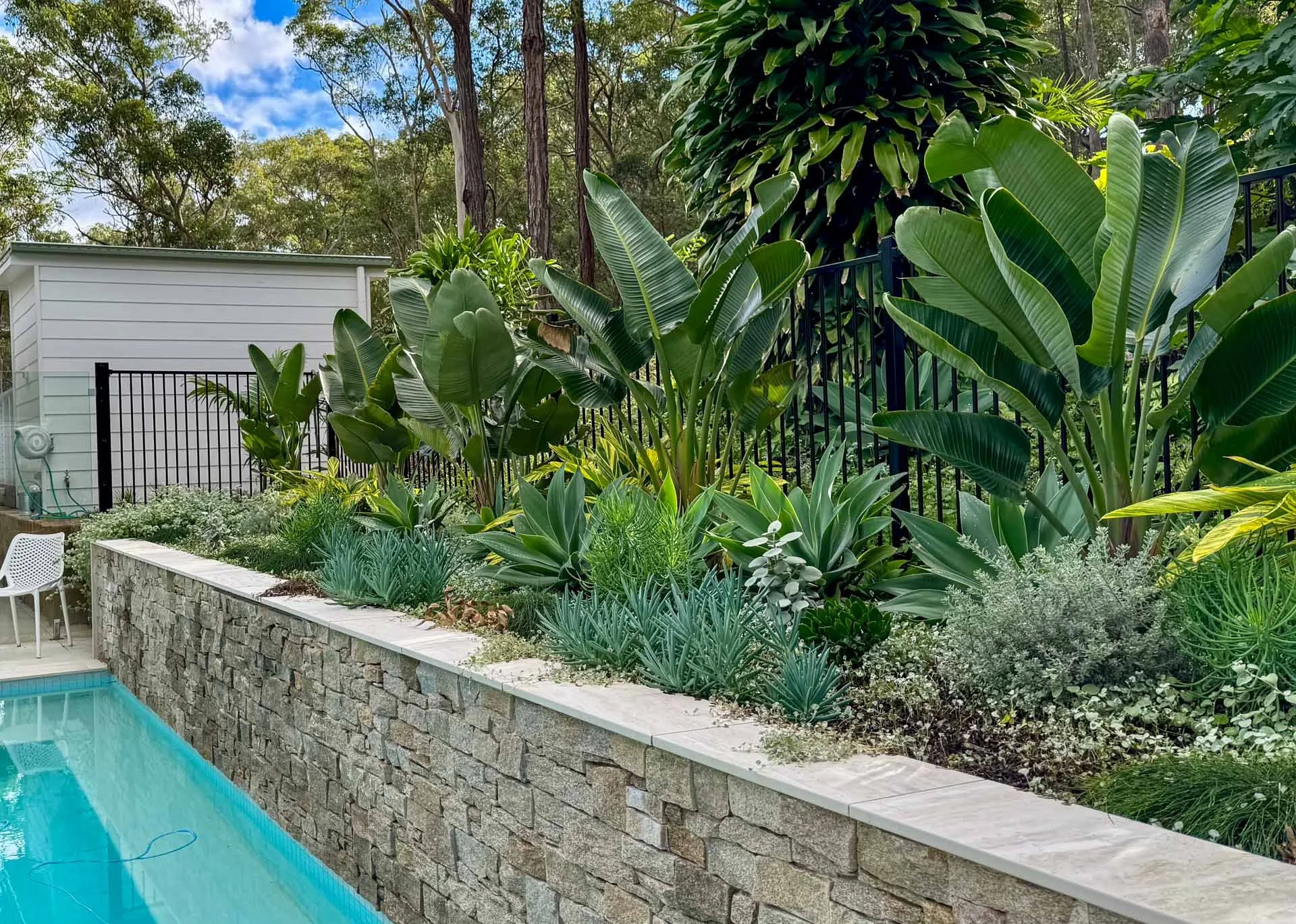
Landscape design on the Gold Coast
A landscape designed for the way you live
Beautiful, productive, and planned as one whole property. We design gardens across the Gold Coast that bring native, edible and ornamental planting together.
What we design
The whole property, designed as one space
We design landscapes that draw you outside and change the way you experience your home. Spaces to gather, slow down, grow food, connect with nature and enjoy being surrounded by beautiful planting.
Every project starts with understanding how you want to live in the space. From there, we look at the property as a whole, creating a natural connection between the home and garden and bringing planting, outdoor living and the practical elements of the landscape together.
Whether we're designing an entire property or transforming one significant area, the goal is the same: to create a landscape that feels connected to your home, rich with life and built to be lived in.
Landscape design is the first stage of how we work.
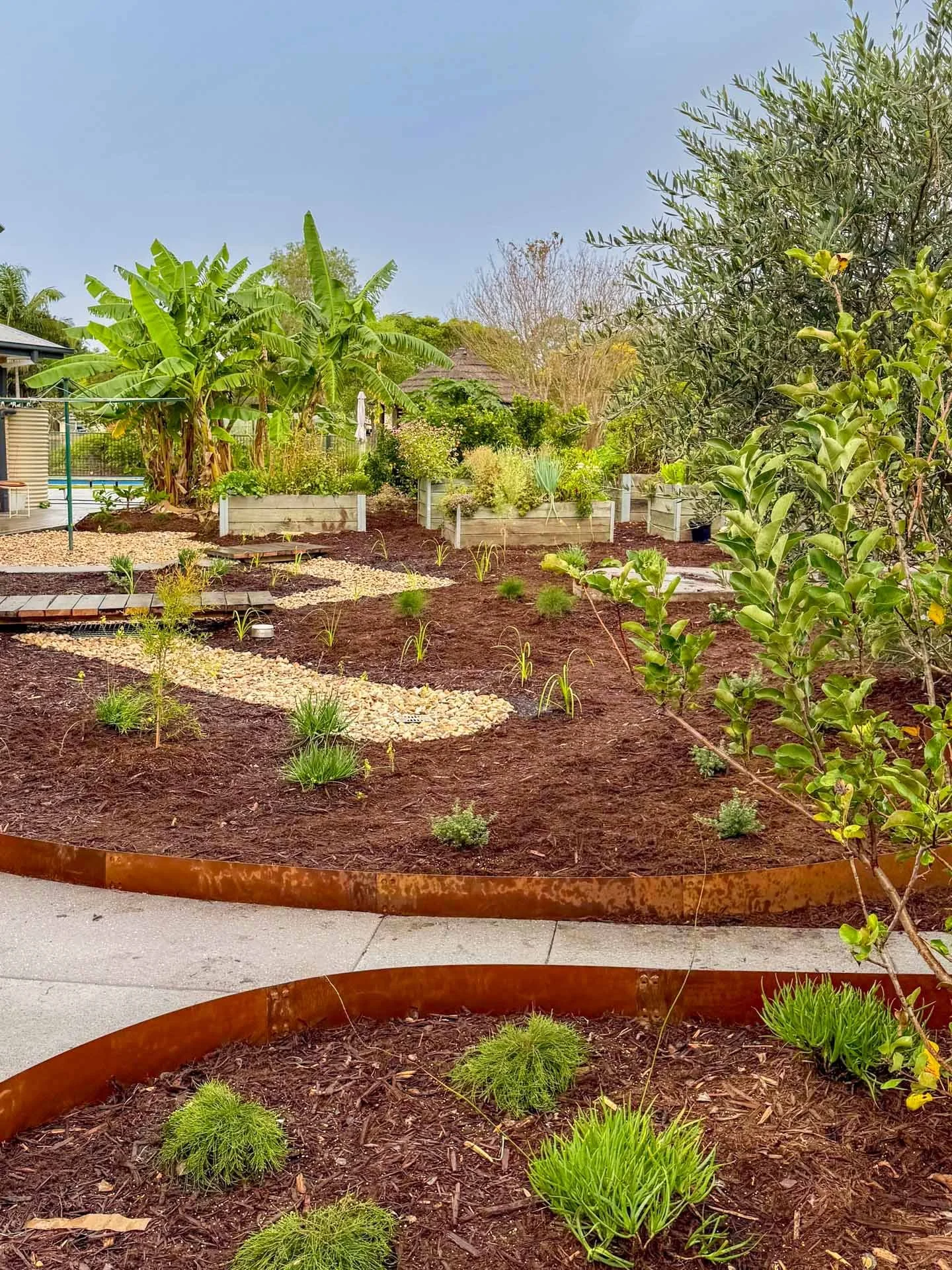
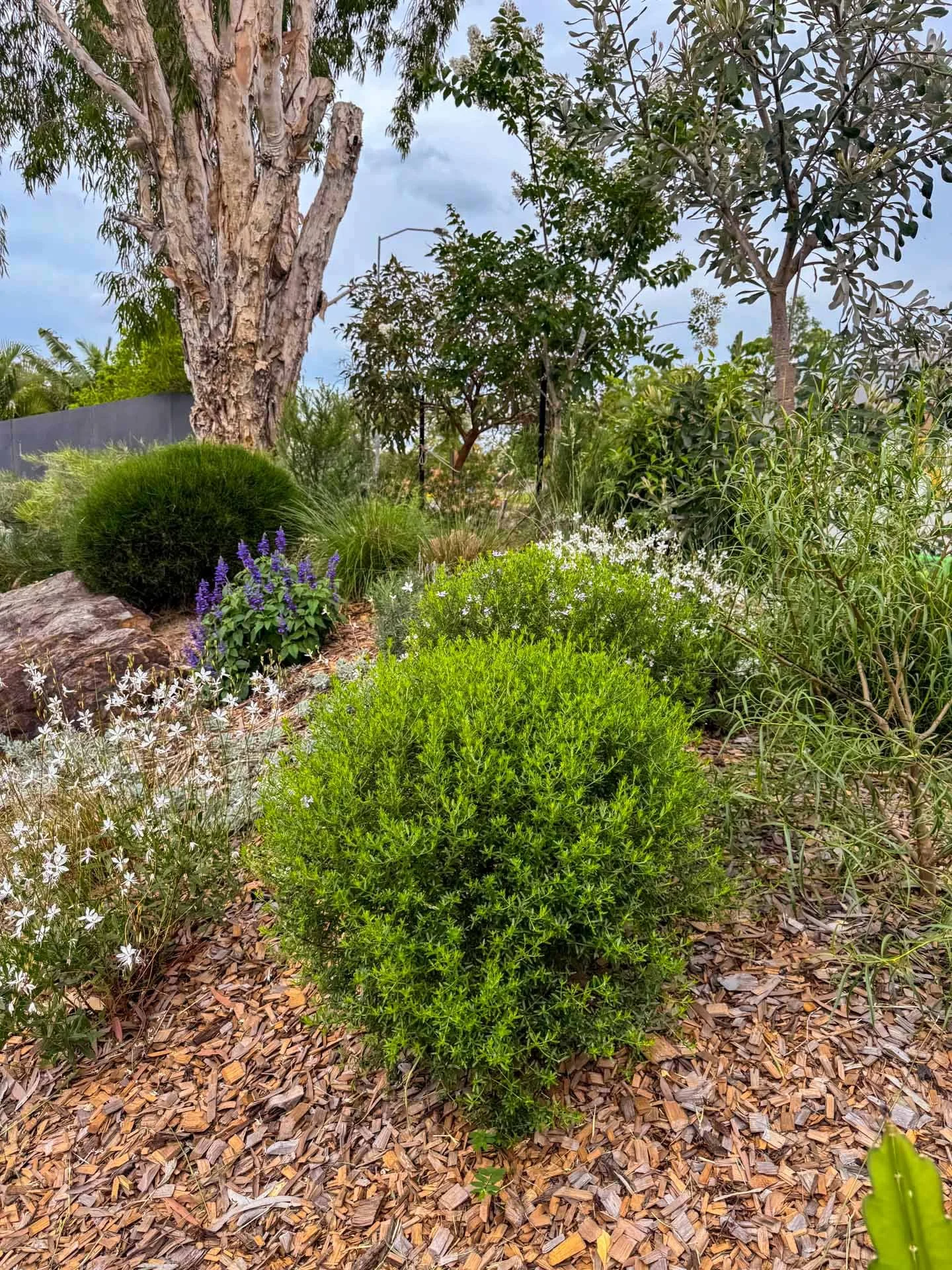
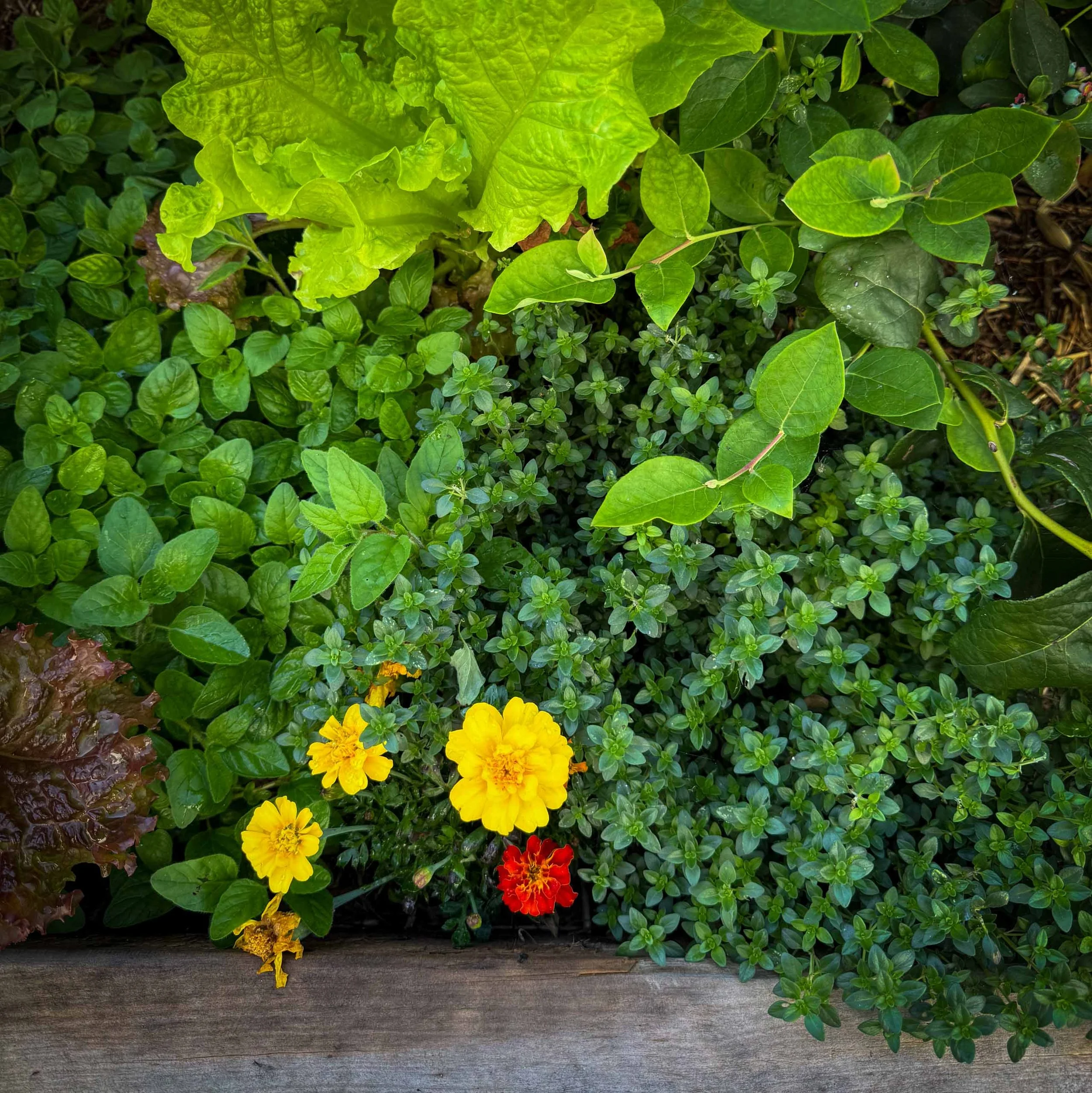
How we plant
Native, habitat, edible and ornamental, in the same garden
We don't believe you need to choose between a beautiful garden and one that gives something back. Native, habitat, edible and ornamental planting can all form part of the same landscape, creating gardens that are layered, diverse and full of life.
We design specifically for the subtropical climate of South East Queensland and Northern New South Wales, selecting plants for the conditions of your property and how they'll perform as the garden establishes and matures.
Within that, the style is yours. We design coastal, tropical, contemporary, cottage and native gardens, and most properties end up somewhere between a few of them.
Growing your own
Kitchen gardens, food forests and orchards
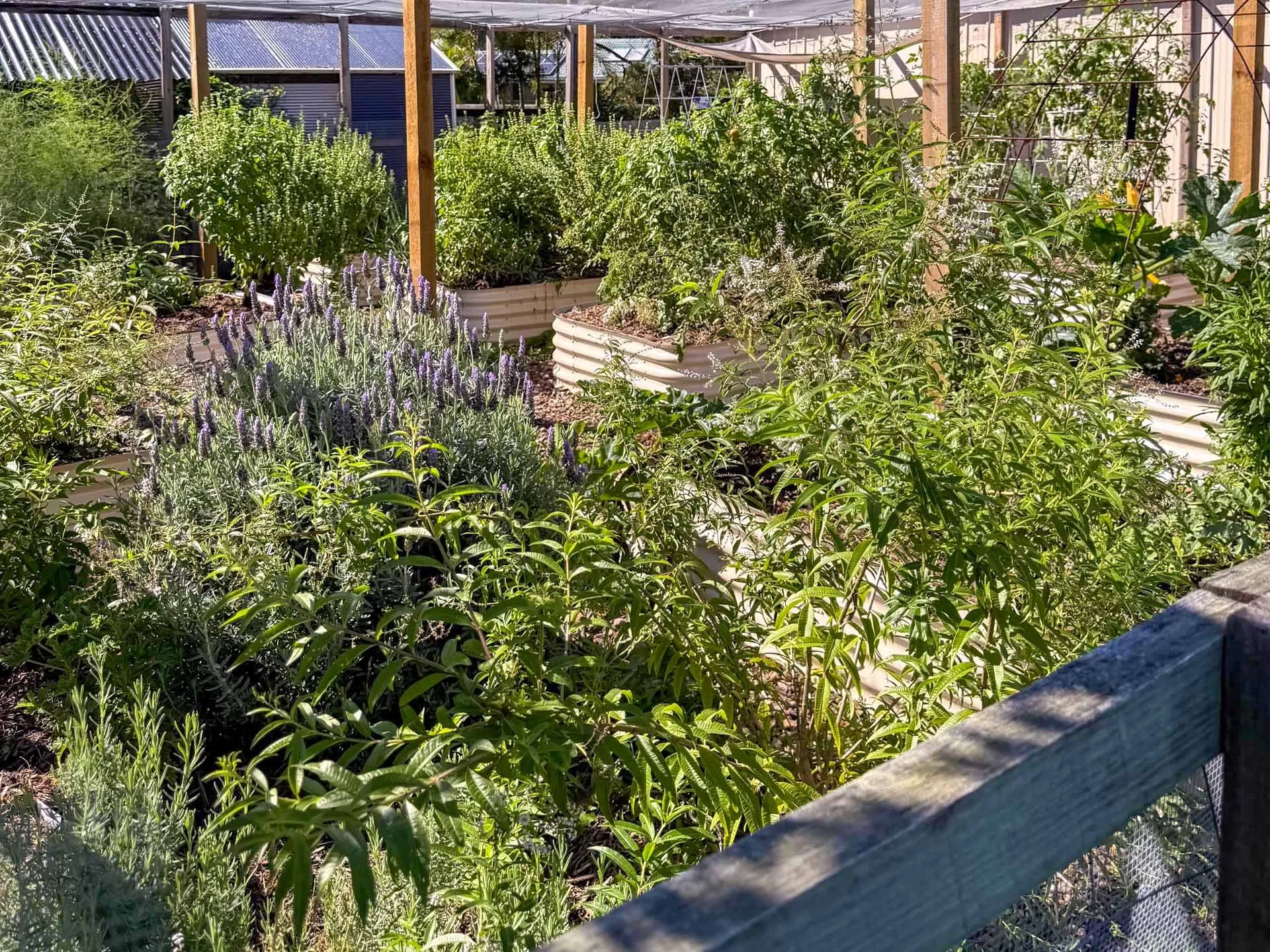
Growing food is where Garden Harvest began and remains an important part of what we do. We design productive spaces that are practical to use, suited to your property and integrated naturally into the wider landscape.
From kitchen gardens and raised beds to food forests, orchards and edible planting throughout the landscape, we consider placement, access, growing conditions and how the space will develop over time.
These can form part of a whole-property landscape design or be designed as a standalone project.
The design process
From understanding your property to a complete landscape design
1. The onsite consultation
We start by walking through the property with you and discussing how you want to use the space, what you'd like to change and what you want the landscape to become.
We assess the existing conditions, including aspect, soil, drainage, existing vegetation and other opportunities or constraints that may influence the design.
2. Your landscape design
Following the consultation, we determine the design scope for your project and provide a separate design quote.
We then develop a landscape design shaped by how you want to use the space, the existing conditions, your planting preferences and the practical needs of the site.
This includes the concept layout, mood boards, material and planting palettes, which are developed with your feedback before we move into the final landscape design and planting plan.
Once your design is complete, we then provide a separate quote for construction.
More about landscape construction
For smaller or more straightforward projects, a full landscape design may not be necessary. Where appropriate, we can move directly from the consultation to a construction quote, or prepare a planting plan on its own.
Recent work
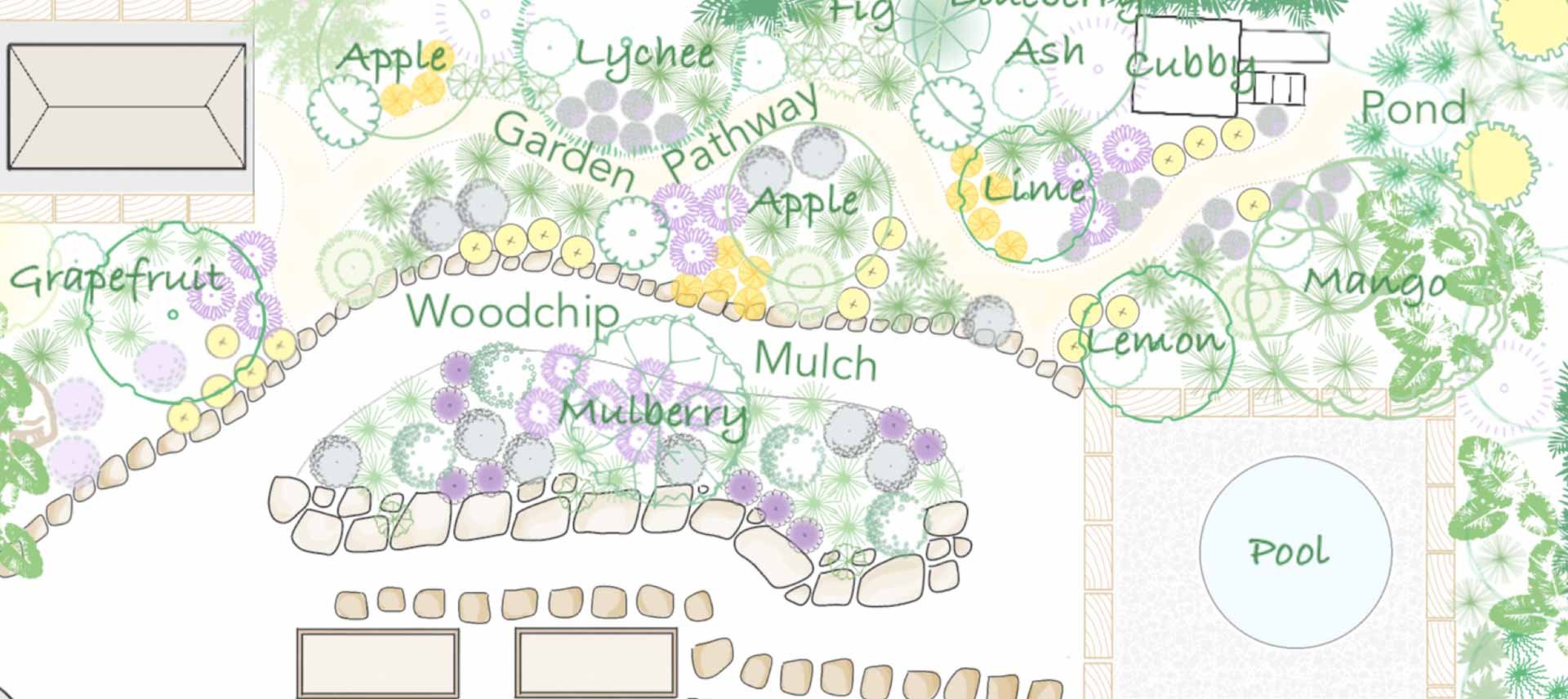
The plan behind the garden
Every garden starts as a drawing. Here's how one comes together.
Reviews
What our clients say
“Sam did a wonderful job creating our new garden in Mermaid Waters. Great selection of plants and layout design.”
Tell us about your place
Send through what you've got and what you'd like from it. We'll read it properly and come back with what we'd suggest and roughly what it involves.
The first step is an onsite consultation, where we walk the property together and work out what's possible. See what that involves →